
Why citizen science matters
I’m not a scientist. My background is in engineering, and I happen to enjoy diving with a camera. Over the past fifteen years, I’ve made a habit of sharing my photographs and observations on platforms where they can be found and used by researchers. There’s no laboratory or research grant involved. Just a camera, a willingness to learn how to identify what I find, and a way to share those observations with others. That’s what citizen science looks like in my own small corner of the natural world.
How it started
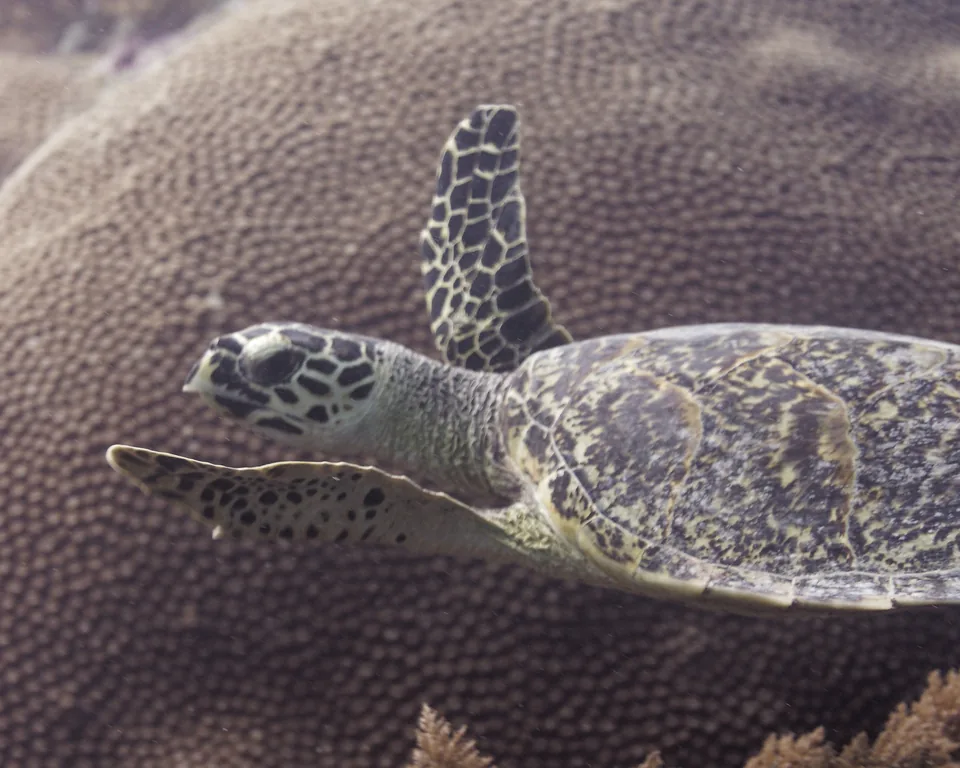
In 2011 a university researcher came across a hawksbill turtle photo I had posted online and asked me to add it to iNaturalist. I did, and then I went back through every dive folder I owned and started adding those too. Until then my photos had been souvenirs. After that, they were observations. (The full story is here.)
What makes a photo a record
A useful record does not need a perfect photo. It needs one sharp enough to show the features that identify the species, an accurate location, and the date. The fourth ingredient comes from other people: on iNaturalist, other users review each observation and confirm or correct the identification. Once enough of them agree on the species, the record becomes Research Grade and is shared with GBIF, the global biodiversity database that scientists query.
My early identifications were often wrong, and other users fixed them. I learned more from those corrections than from any field guide. Fifteen years of that process adds up to more than 33,000 observations of more than 5,100 species.
Proof that it gets used
I never expected anyone to use these photos, but people have.
| Year | Where it went | What it did |
|---|---|---|
| 2015 | Smithsonian NMNH, Sant Ocean Hall | Toadstool coral from Raja Ampat, shown in a curated exhibit |
| 2018, 2020 | California Academy of Sciences | Species ID images for aquarium exhibits |
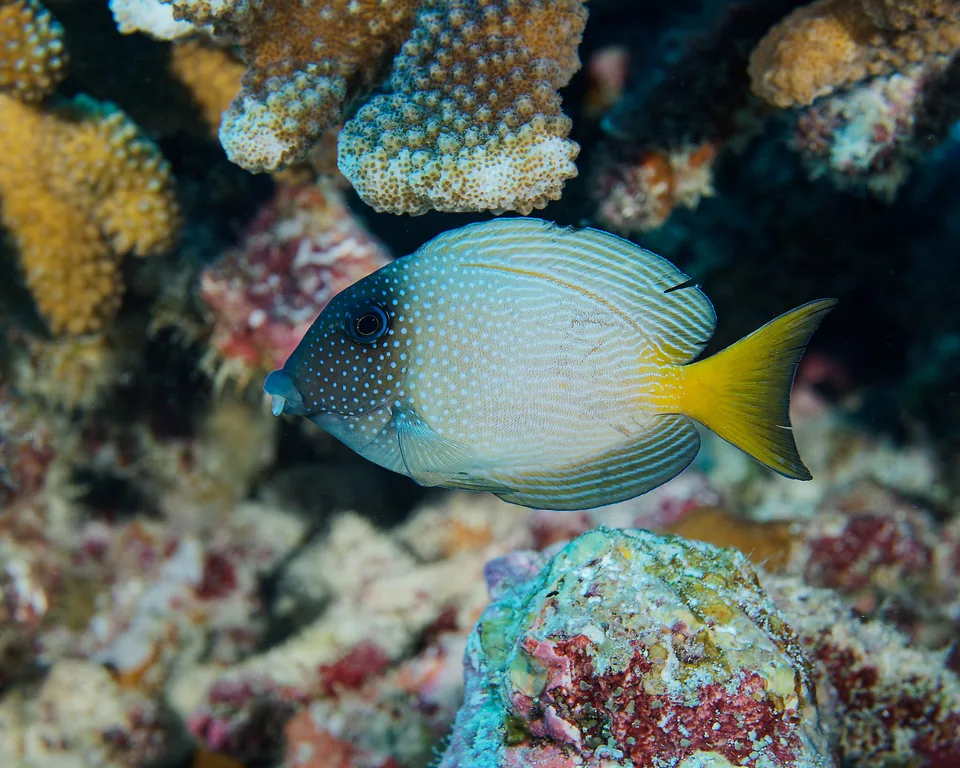
| 2020 | PeerJ | Photo in the description of a new blenny, Cirripectes matatakaro |
| 2023, 2025 | Check List | Photos supporting new fish records from the Galápagos |
| 2026 | Zootaxa | Photo in the description of a new goby, Valenciennea schlieweni |
| 2026 | Raffles Bulletin of Zoology | Photo in a revision of the cleaner wrasses, Labroides |
| Various | Seven books | Field guides and references, including Fiji Reef Fish, Indo Pacific Corals, Sydney Harbour Fishes, and a seagrass volume from China |
| Ongoing | John Hoover’s fish ID apps | 51 species across 6 regional apps |
| Ongoing | Online references | Wikipedia (16 articles), Fishipedia (72 photos), the Smithsonian Tropical Research Institute’s shorefish database, and others |
None of this was planned. Each one started as an ordinary observation that someone else happened to find. The Credits page has the full list.
Every trip is a survey
These days, I tend to plan trips around the natural world rather than the beaches or tourist attractions. That wasn’t always the case. My interests shifted gradually as I became more curious about the places I visited and the life they supported. After college I dived Florida, Aruba, Bonaire, and Turks and Caicos without an underwater camera, and those dives left me with memories but no records. I started shooting underwater in 2006. My photos from Thailand in 2008 and Socorro in 2011 were taken before I had heard of iNaturalist, and they only became records later, when I went back through the archive.
Since 2012 I have treated every trip as a personal nature survey, and I go somewhere new just about every year. Most of those trips are dive trips. They have taken me through the Coral Triangle and its edges (Raja Ampat, Lembeh, the Philippines, Palau), across the Indian Ocean to the Maldives, out to the remote Pacific, from the atolls of Kiritimati and Fakarava to Nuku Hiva in the Marquesas, a volcanic island with almost no coral reef and one of the highest rates of reef-fish endemism anywhere, south along the cooling edge of the reef world to Lady Elliot Island and Lord Howe Island, and east to the Galápagos. Africa and Japan were land trips, and on nearly every dive trip I add a few days ashore for birds, insects, and reptiles.
Remote reefs have few observers, which is what makes them worth recording. A single photo from a place like Kiritimati can fill a gap that no one else is likely to fill. That is also why I upload everything rather than just the best shots. A dull photo of a common fish is still a data point, and a reef visited once is only a snapshot. Many reefs visited over many years start to add up to a range map.
Two homes, one method
Travel is the exciting part, but the records made closest to home are often the most valuable.
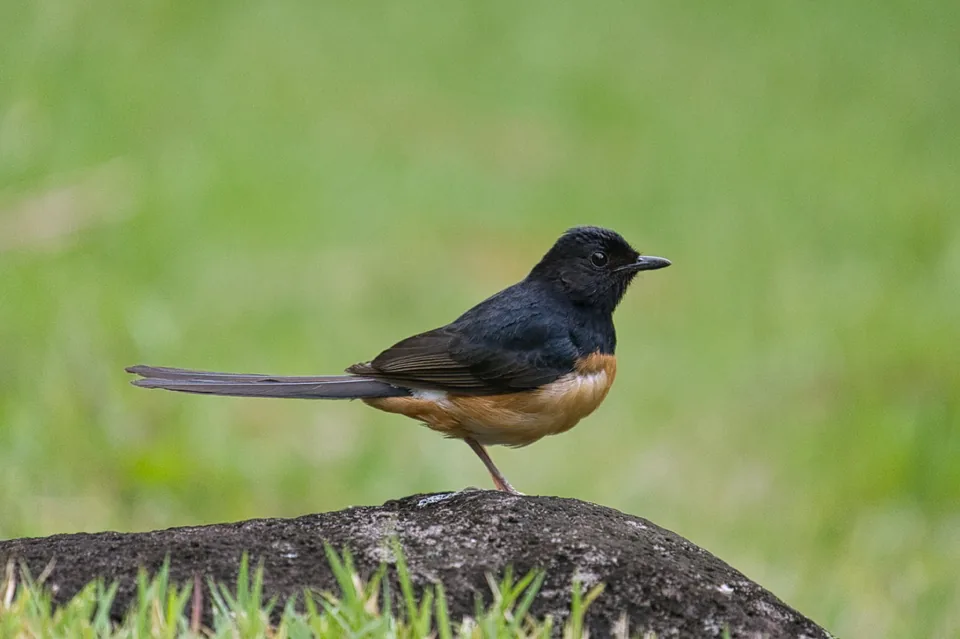
For 22 years my backyard was Oʻahu. I dived the same North Shore and Honolulu sites week after week, and that kind of repetition shows something a one-time trip never can: how a place changes over time. I photographed nudibranchs on the North Shore reefs and birds in my own yard in Nuʻuanu Valley. Many of those birds are introduced species, and records of introduced species help track how they spread.
I grew up in the Laurel Highlands of western Pennsylvania, and now I am home again. These forests and streams are my backyard from here on. My Pennsylvania list is still small: 2,255 observations, most of them from visits home over the years, or about 7% of the total. That doesn’t worry me. The habitat has changed, but the method hasn’t. Photograph it, identify it, record it, and let other people check the work.
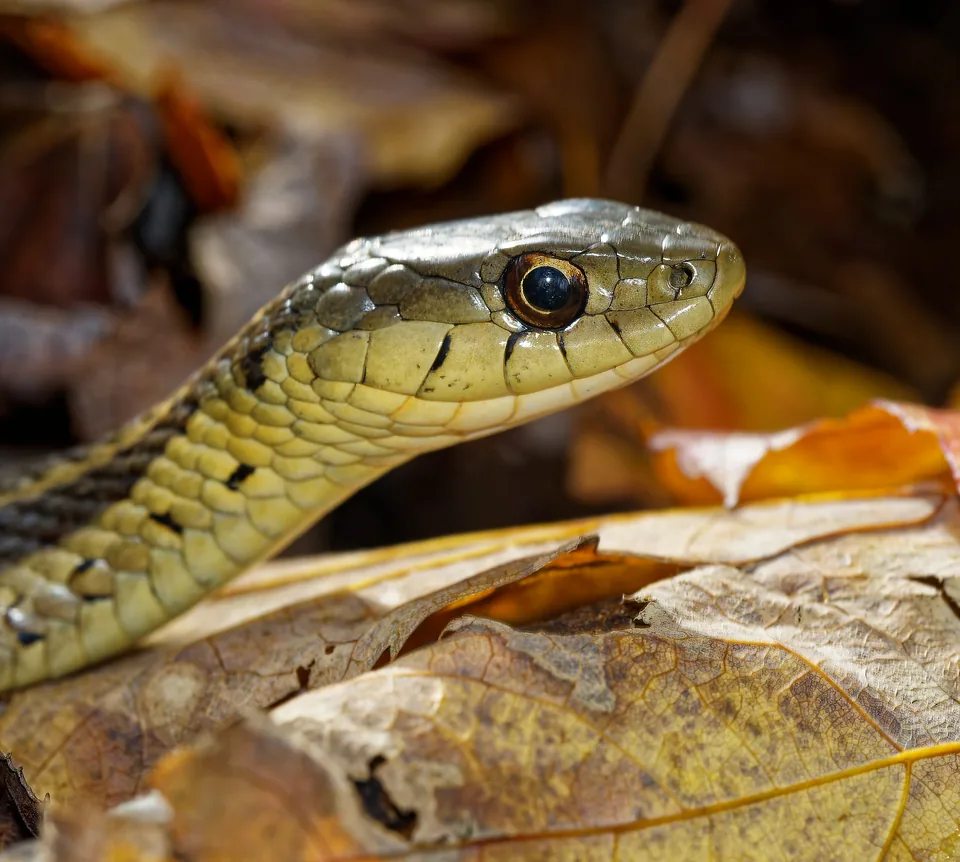
The two kinds of record do different jobs. Travel records show where a species lives, and they matter most on remote, little-surveyed reefs, but they cost a trip or two a year. Backyard records show how one place changes, and they cost nothing but the habit of going out every week. Science needs both, and I find it rewarding to supply them.
Start with one observation
Scientists cannot be everywhere, but divers, hikers, and people with backyards already are. The only thing missing is the record, and making one takes four steps:
- Install the iNaturalist app, or visit the website.
- Photograph one living thing.
- Post it with the location and date.
- Let the community check the identification.
My own observations are on iNaturalist.