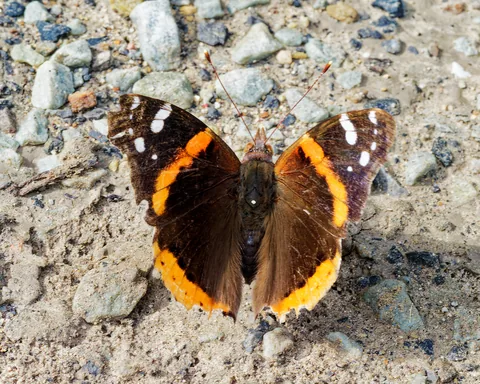
Temperate forest
Forests of the cool-temperate belt: western conifers, Appalachian hardwoods, and outliers in Japan and South Africa.
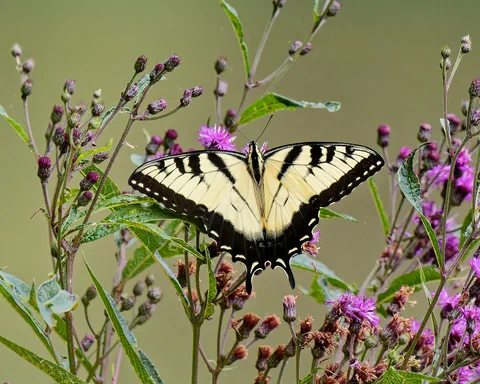
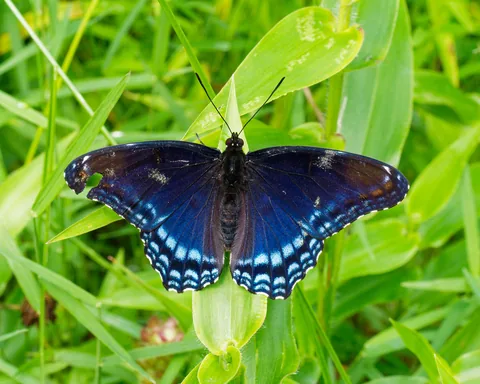
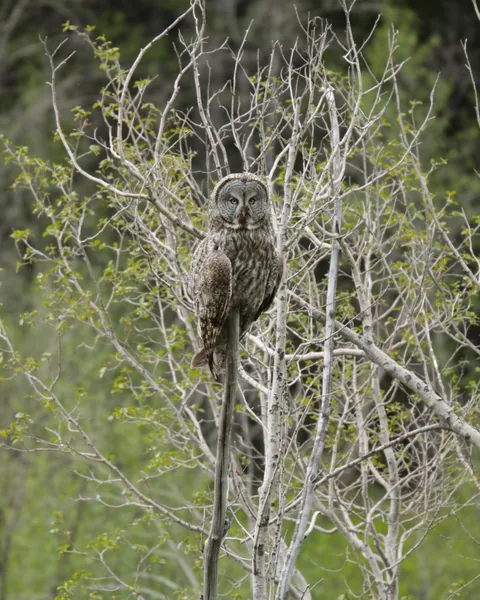
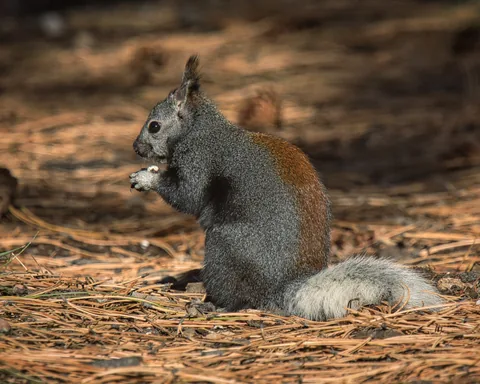
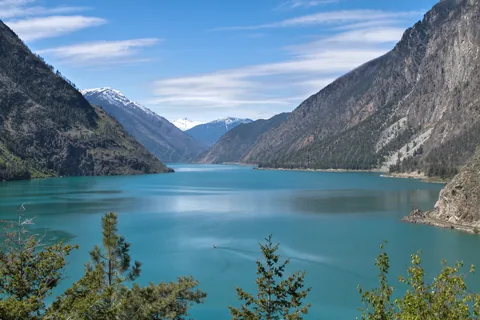
Temperate forest splits cleanly across North America. The western photos come from conifer country. On the Coconino Plateau the Abert's squirrel feeds, nests and travels almost entirely in ponderosa pine, and in the Cascades conifers outweigh hardwoods by about a thousand to one, an advantage usually put down to wet winters and dry summers that suit evergreen needles. The same study notes that the roles of conifers and hardwoods there are largely the reverse of those in the East. Appalachia shows that reversal. The Appalachian photos are of animals that live off broadleaf trees: the eastern tiger swallowtail, whose caterpillars feed on tulip tree and black cherry, and the red-spotted admiral, another black cherry feeder. The Kyoto bamboo grove looks like the odd one out, but it points to an old connection. In 1859 Asa Gray listed more than a hundred plants he found in both Japan and eastern North America. Most are now counted as close relatives rather than the same species, but eastern Asia and eastern North America still share many genera that the West lacks, the tulip tree among them.
Sources: Keith 1965, The Abert squirrel and its dependence on ponderosa pine · Waring and Franklin 1979, Evergreen coniferous forests of the Pacific Northwest · Butterflies and Moths of North America, eastern tiger swallowtail · Arnold Arboretum, the eastern Asian–eastern North American disjunction
17 photos · 5 regions · IUCN habitat 1.4
Japan and the North Pacific
1 photo · All of Japan and the North Pacific
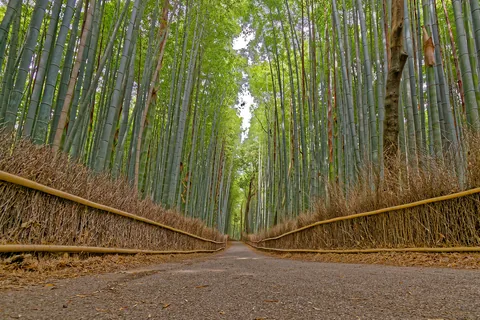
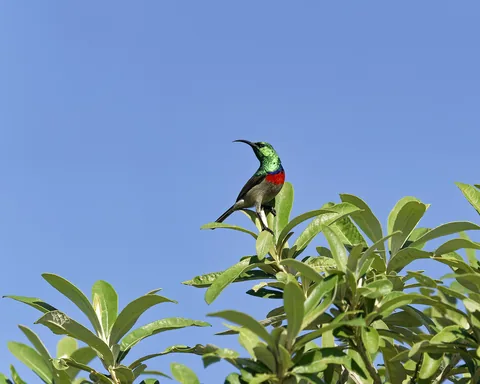
Africa
1 photo · All of Africa
Western North America
7 photos · All of Western North America

Eastern North America
3 photos · All of Eastern North America
Appalachia
5 photos · All of Appalachia